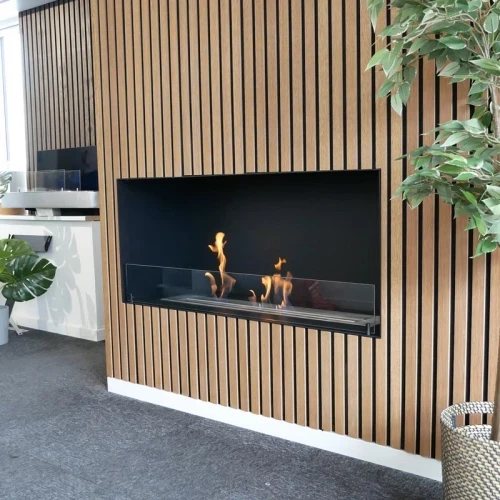
Log Burner - Bioethanol Fireplace
Bioethanol fireplace log burners are an eco-friendly and efficient alternative to traditional wood-burning fireplaces. They are fueled by bioethanol, a renewable and clean-burning fuel made from plant matter.
Not only do bioethanol fireplace log burners eliminate the need for chopping and storing wood, they also emit significantly less harmful emissions and pollutants into the air, making them a great choice for environmentally-conscious homeowners.
Products


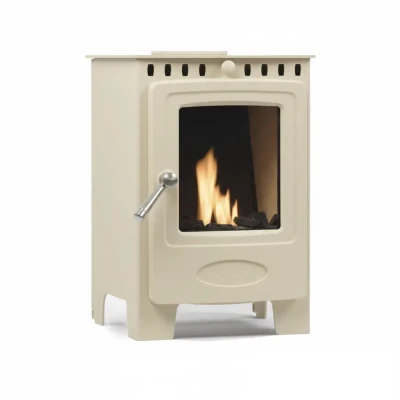
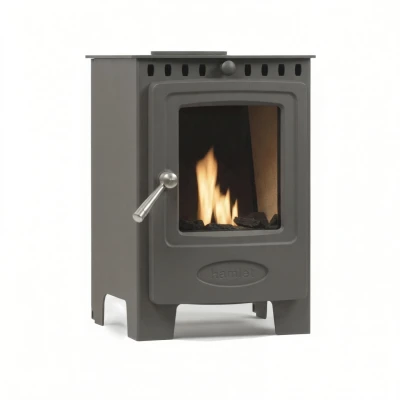
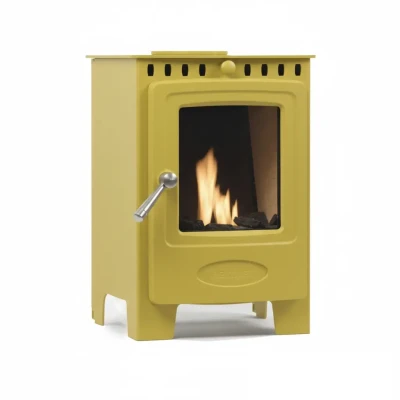
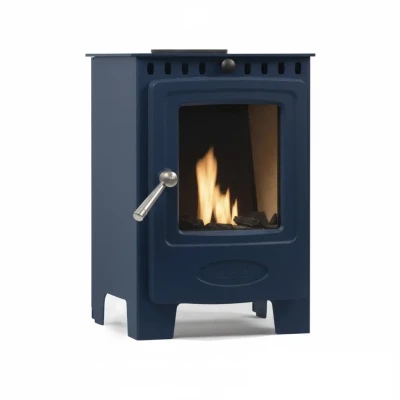
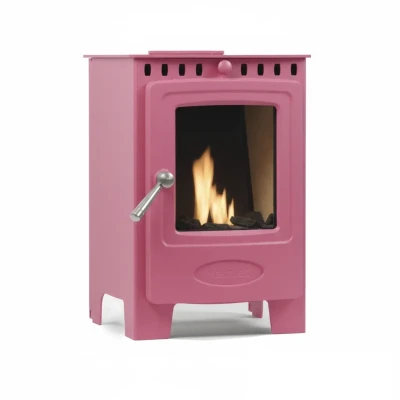
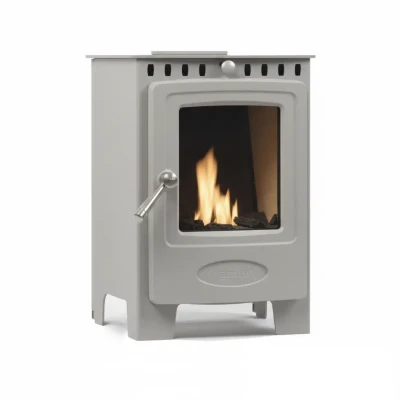
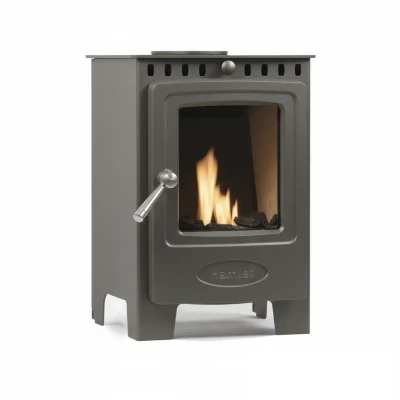
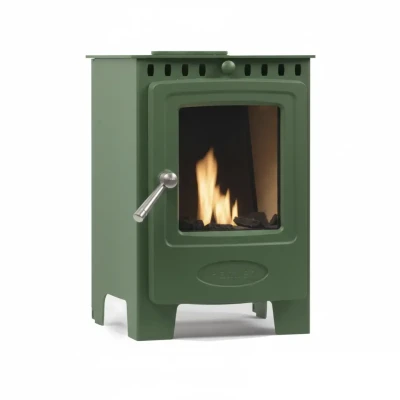
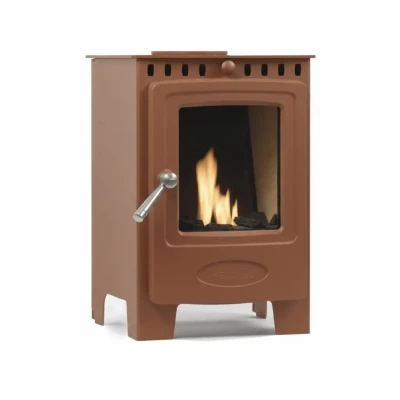
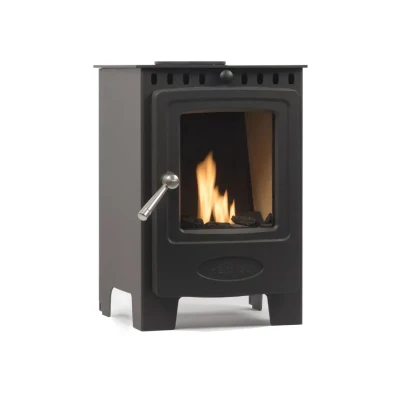
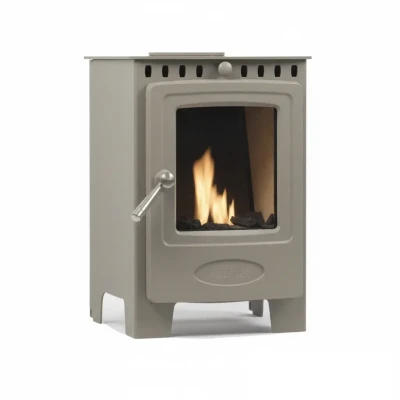
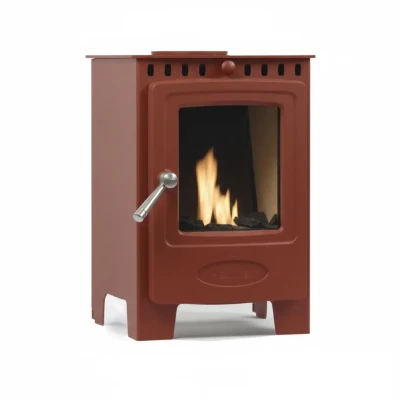
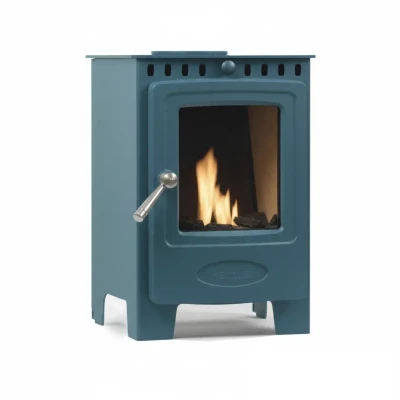
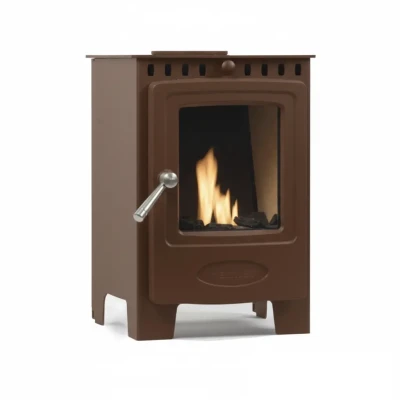


Introduction to Log Burner Bioethanol Fireplaces
Log burner bioethanol fireplaces are a popular choice for homeowners looking for a modern and efficient heating solution. These fireplaces combine the traditional look of a log burner with the convenience and eco-friendliness of bioethanol fuel. Unlike wood burning stoves that require you to burn wood, bioethanol fireplaces use a clean-burning liquid fuel derived from plant matter. This makes them an excellent option for those who want the cozy ambiance of a traditional fireplace without the hassle of chopping wood or dealing with soot and ash.
Whether you have a small log burner or a larger setup, bioethanol fireplaces offer a versatile and stylish heating solution for any space.
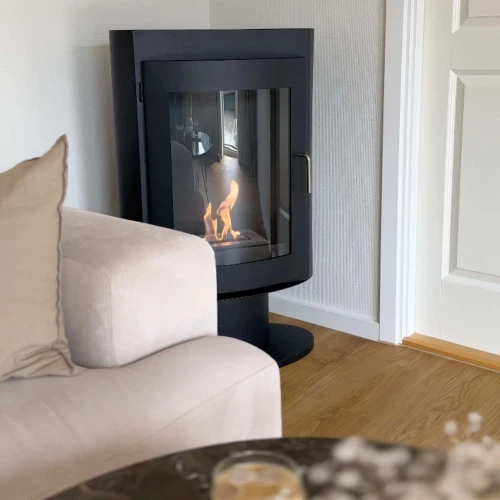
What is a Bioethanol Log Burner and its efficient operation
If you’re looking for a fireplace that is both eco-friendly and efficient, you may want to consider a bioethanol log burner. But what exactly is it?
A bioethanol log burner is a type of fireplace that burns bioethanol fuel, which is made from plant matter such as corn, sugar cane, and wheat. Unlike traditional wood-burning fireplaces, bioethanol log burners don’t require any chopping or storing of wood. Instead, they use a liquid fuel that can be easily poured into the burner and ignited.
One of the main benefits of using a bioethanol log burner is that it is a clean-burning fuel that produces significantly fewer emissions than traditional wood-burning fireplaces. This makes bioethanol log burners a great choice for environmentally-conscious homeowners who want to reduce their carbon footprint. Bioethanol log burners come in various sizes, including small log burners that are perfect for compact spaces like apartments or small rooms.
Another benefit of using a bioethanol log burner is that it is more efficient than a traditional wood-burning fireplace. With a bioethanol log burner, you can control the amount of heat that is produced, so you can create a cozy atmosphere without overheating your home.
Can a Bioethanol Fireplace Log Burner be inserted into a mantel?
The answer is yes, with some considerations.
First, it’s important to ensure that the mantel is made of a heat-resistant material such as stone, brick, or metal. Wood mantels may not be able to withstand the heat produced by the bioethanol burner and could pose a fire risk.
When considering the installation, it's also important to choose the right hearths that complement the mantel and enhance the overall aesthetic of the fireplace.
Secondly, the mantel should be deep enough to accommodate the burner without the flames being too close to the surface. This will also prevent any heat damage to the mantel itself.
One of the benefits of bioethanol log burners is that they don’t require a professional installer. The installation process is simple and straightforward, making it a perfect DIY project for homeowners. Just follow the manufacturer’s guidelines, and you can have your fireplace up and running in no time!
Overall, a bioethanol fireplace log burner can be a great addition to a mantel as long as proper precautions are taken during installation. Not only will it add warmth and ambiance to your home, but it’s also an eco-friendly alternative to traditional fireplaces.
Portable Log Burners for Bioethanol
The answer is yes, you can move a log burner for bioethanol. Bioethanol fireplaces are designed to be portable, meaning you can move them from room to room or even take them outside. This feature is particularly useful for those who want to enjoy the warmth and ambiance of a fireplace without the hassle of installation. Additionally, bioethanol log burners are ideal for use in smoke control areas, as they produce minimal emissions and comply with urban air quality regulations.
However, it is essential to follow proper safety precautions when moving a bioethanol fireplace log burner. Here are some tips to keep in mind:
- Always wait for the bioethanol fireplace log burner to cool down completely before moving it.
- Use oven mitts or heat-resistant gloves to protect your hands when handling the burner.
- Never move the burner when it is still burning or has hot embers.
- Make sure the bioethanol fuel reservoir is empty before moving the burner.
- Keep the burner level when transporting it to avoid any spills.
In summary, a bioethanol fireplace log burner can be moved, but it is vital to follow proper safety precautions. With the right care and attention, you can enjoy the warmth and ambiance of a fireplace wherever you go.

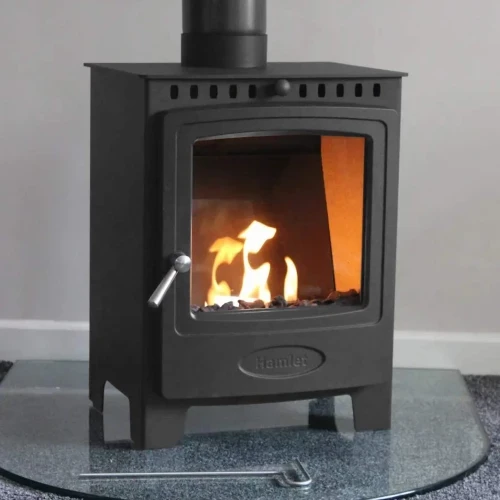
Benefits of Using a Log Burner Bioethanol Fireplace
Log burner bioethanol fireplaces offer a range of benefits, including:
- Efficient Operation: Bioethanol fuel is a highly efficient and clean-burning fuel source, producing minimal emissions and no soot or ash. This means you can enjoy a warm and cozy atmosphere without the environmental impact associated with traditional wood burning stoves.
- Low Maintenance: Unlike wood burning stoves, log burner bioethanol fireplaces require minimal maintenance. There’s no need to clean out ash or soot, and the fuel can be easily replenished.
- Flexibility: These fireplaces can be installed in a variety of settings, including small rooms and apartments. They can serve as a primary or secondary heat source, making them a versatile option for any home.
- Aesthetics: Log burner bioethanol fireplaces offer a traditional and cozy look, with a realistic flame pattern and a sleek, modern design. They can enhance the ambiance of any room, providing both warmth and visual appeal.
Choosing the Right Log Burner Bioethanol Fireplace
When choosing a log burner bioethanol fireplace, there are several key considerations to keep in mind:
- Size: Choose a fireplace that is the right size for your room and heating needs. A small stove might be perfect for a cozy living room, while a larger model could be better suited for an open-plan space.
- Fuel Efficiency: Look for a fireplace with a high fuel efficiency rating to minimize fuel consumption and costs. Efficient operation ensures you get the most heat output for the least amount of fuel.
- Safety Features: Ensure that the fireplace has built-in safety features, such as a flame failure device and a heat-resistant glass screen. These features are crucial for safe operation.
- Design and Style: Choose a fireplace that fits with your home’s décor and style. Whether you prefer a modern stove design or a more traditional look, there’s a full range of options available to suit your taste.
Building Regulations and Safety
Log burner bioethanol fireplaces are subject to building regulations and safety standards. These include:
- Building Regulations: Log burner bioethanol fireplaces must comply with Building Regulations, including those related to ventilation, flue systems, and heat output. Proper ventilation is essential to ensure safe and efficient operation.
- Safety Standards: These fireplaces must meet safety standards, including those related to fuel efficiency, emissions, and safety features. It’s important to choose a model that has been tested and certified to meet these standards.
While most locations permit the use of bioethanol log burners, it’s always a good idea to double-check the regulations in your area before making a purchase to ensure compliance.
Installation Process
The installation process for a log burner bioethanol fireplace is simple and can be done without the need for professional installers. Almost anyone can install it by following these straightforward steps:
- Site Survey: While a professional site survey is not required, it's a good idea to assess the space where you plan to place the fireplace. Ensure the location meets building regulations and safety standards, such as adequate ventilation and space for installation.
- Installation: The fireplace can be easily installed by following the manufacturer’s instructions. There is no need for a flue system, and it doesn't require a chimney.
- Testing: Once installed, the fireplace should be tested to ensure it is working correctly and safely. Check for proper ventilation and ensure that the flame remains stable during operation.
- Maintenance: Bioethanol log burners require minimal maintenance. Periodic cleaning of the burner and checking for any blockages will ensure it operates efficiently and safely. No professional inspections are necessary, making it a low-maintenance option for homeowners.
By following these simple steps, you can enjoy the warmth and ambiance of a log burner bioethanol fireplace without the need for a professional installer. It's an easy and convenient way to enhance your home’s comfort and style.